With enthusiasm, let’s navigate through the intriguing topic related to home decor vs interior design. Let’s weave interesting information and offer fresh perspectives to the readers.

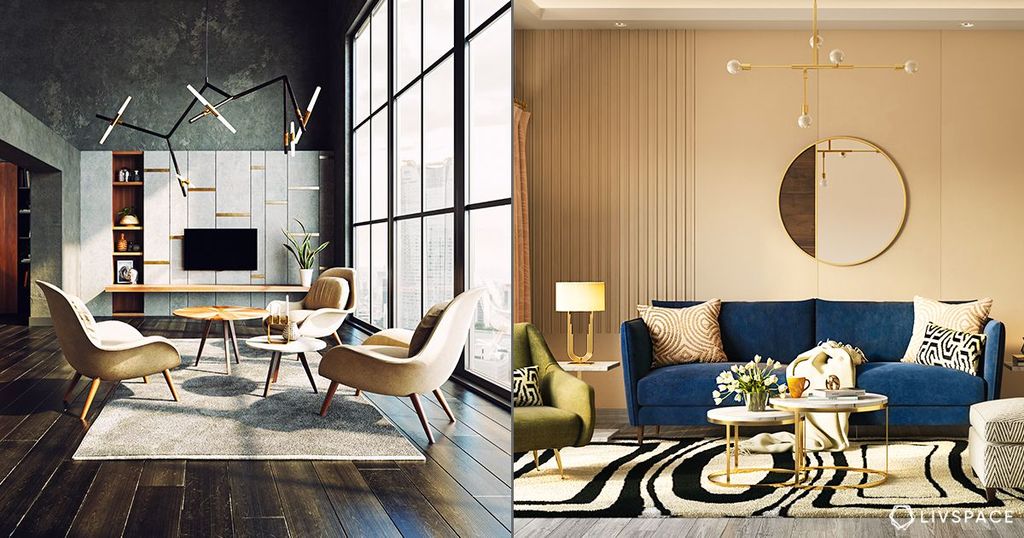
The terms "home decor" and "interior design" are often used interchangeably, leading to confusion about their distinct meanings and the value they bring to a living space. While both contribute to creating an aesthetically pleasing and functional environment, they operate on different levels of complexity and scope. Understanding the nuances of each can empower individuals to make informed decisions when transforming their homes.

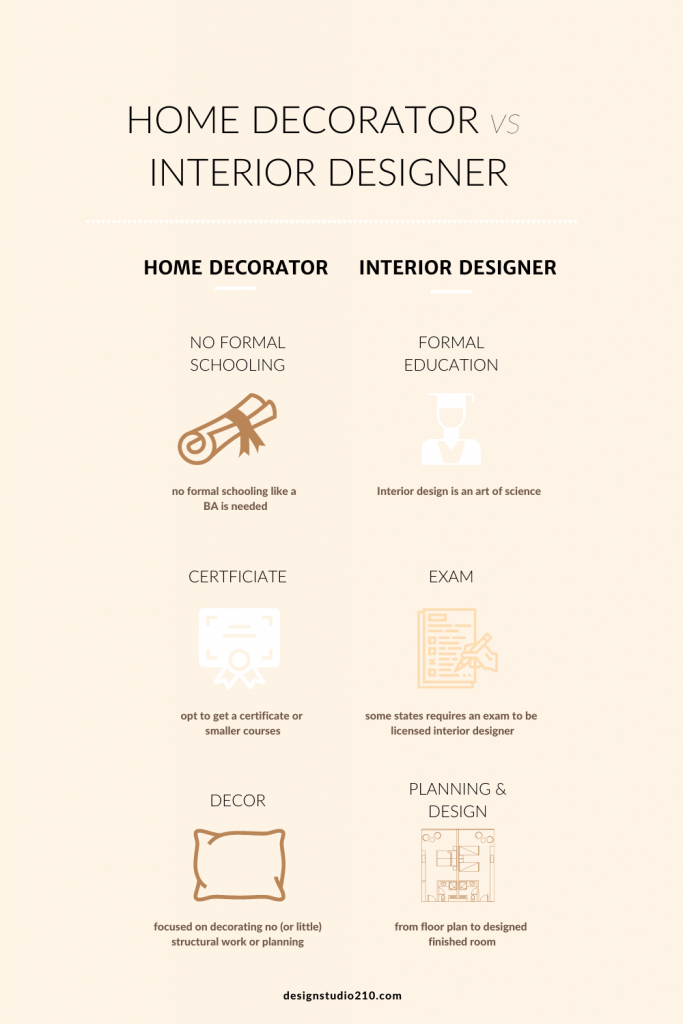
Home decor focuses on the aesthetic elements that adorn and personalize a space. It encompasses a wide range of items, from decorative accents like throw pillows and artwork to functional pieces like furniture, rugs, and lighting. The primary goal of home decor is to create visual appeal and a sense of style within an existing structure.
Interior design goes beyond mere aesthetics, taking a holistic approach to space planning and functionality. It involves a comprehensive understanding of architectural principles, ergonomics, lighting, color theory, and materials to create spaces that are not only visually appealing but also user-friendly and conducive to the intended purpose.
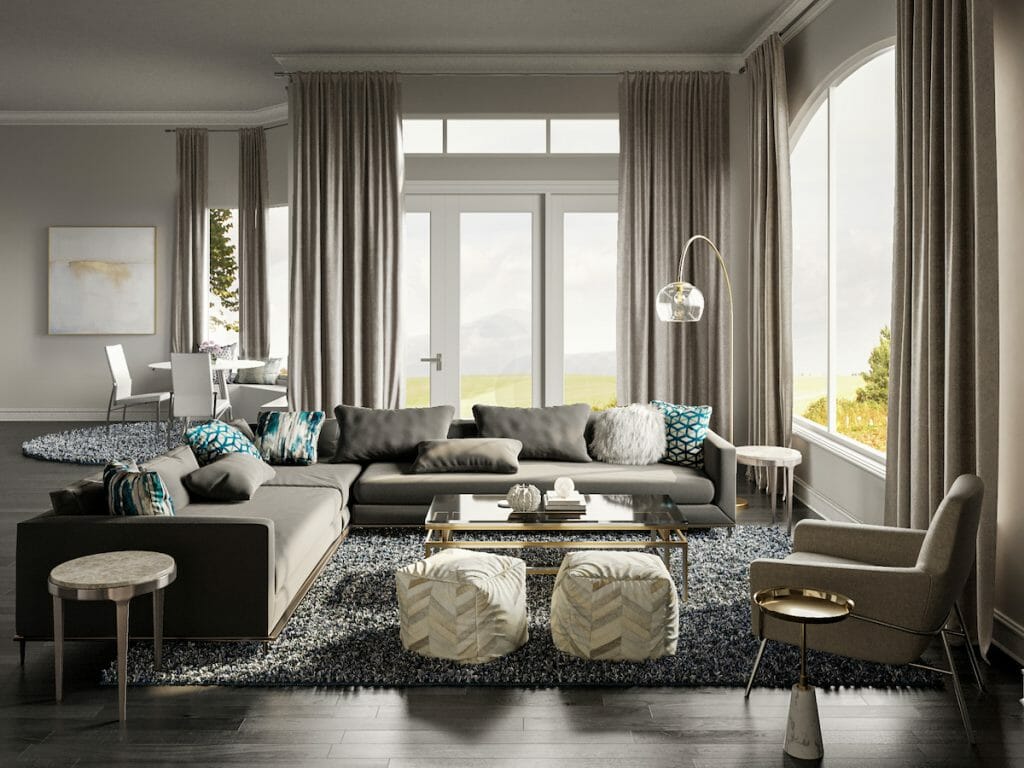
Both home decor and interior design contribute significantly to the overall well-being and enjoyment of a space. Home decor allows individuals to express their personal style and create a welcoming atmosphere, while interior design ensures that spaces are functional, comfortable, and aesthetically pleasing.
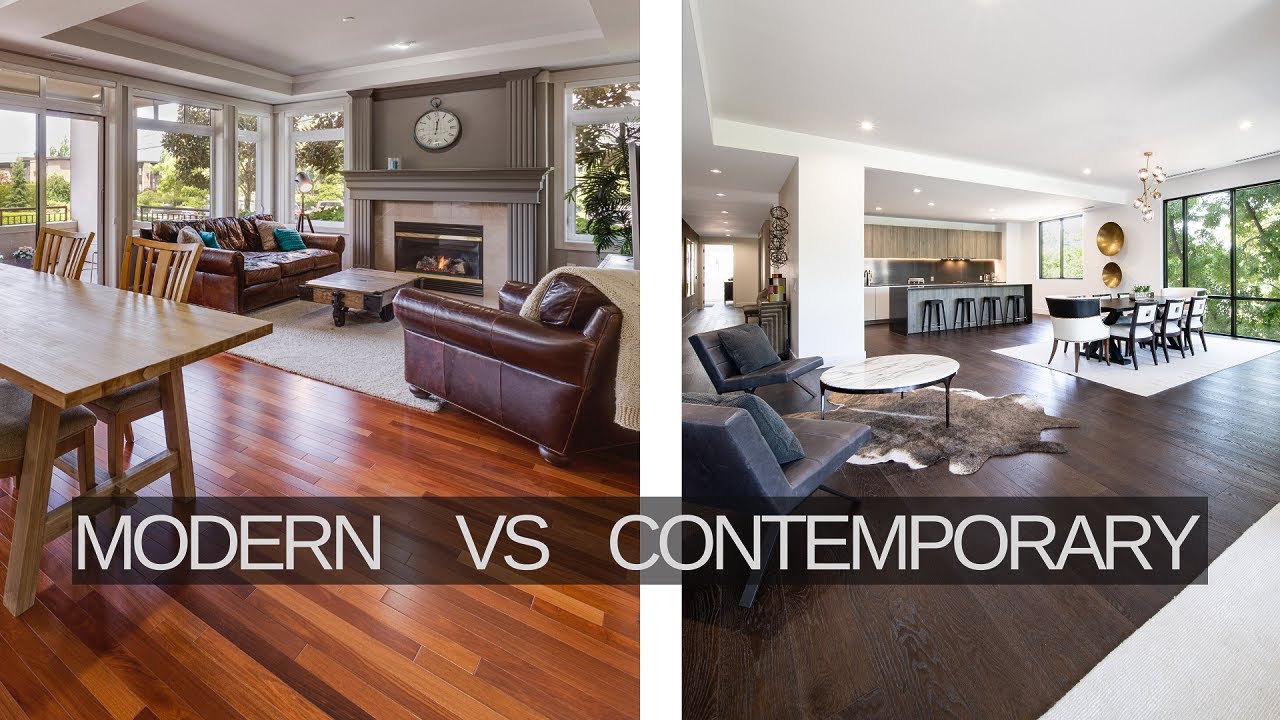
Imagine a living room. Home decor would involve selecting furniture, rugs, curtains, and decorative items that create a cohesive and visually pleasing aesthetic. This might include choosing a comfortable sofa, a vibrant rug, and artwork that reflects the homeowner’s interests.
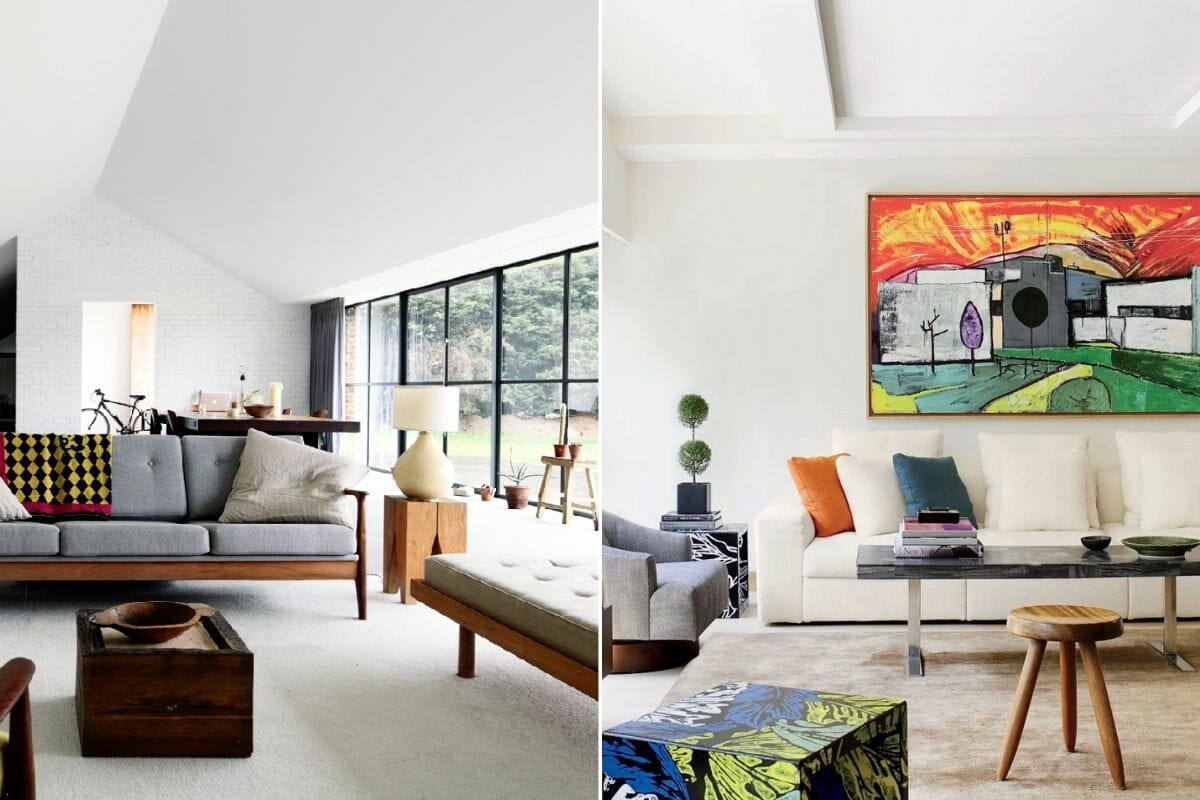
Interior design would go a step further, considering the overall layout of the room, the flow of traffic, and the placement of furniture to maximize functionality. An interior designer might suggest rearranging the furniture to create a more open and inviting space, or recommend incorporating built-in storage solutions to optimize space utilization.

A: While an interior designer can provide valuable expertise and a comprehensive approach to space planning, it is not a necessity for everyone. If you have a strong sense of style, are comfortable with DIY projects, and have the time and resources to research and execute your vision, you can achieve successful results with home decor alone. However, if you desire a more professional and comprehensive approach, or if you are unsure about certain design choices, consulting an interior designer can be highly beneficial.
A: You can incorporate interior design principles into your home decor by focusing on functionality and flow. Consider the layout of your furniture, the placement of lighting, and the use of color and texture to create a balanced and harmonious space. Additionally, prioritize ergonomics, ensuring that your furniture is comfortable and supportive for its intended purpose.
Whether you choose to embark on a home decor journey or engage the expertise of an interior designer, the ultimate goal is to create a space that reflects your unique personality, fulfills your functional needs, and enhances your overall well-being. Understanding the distinctions between home decor and interior design allows individuals to make informed decisions and create spaces that are both beautiful and functional, transforming their homes into havens of comfort, style, and functionality.


Thus, we hope this article has provided valuable insights into home decor vs interior design. We hope you find this article informative and beneficial. See you in our next article!
Your email address will not be published.